The Beauty of Living between Cultures - Bari
Bari, Italy
“Voglio una vita che se ne frega
Che se ne frega di tutto, sì…”
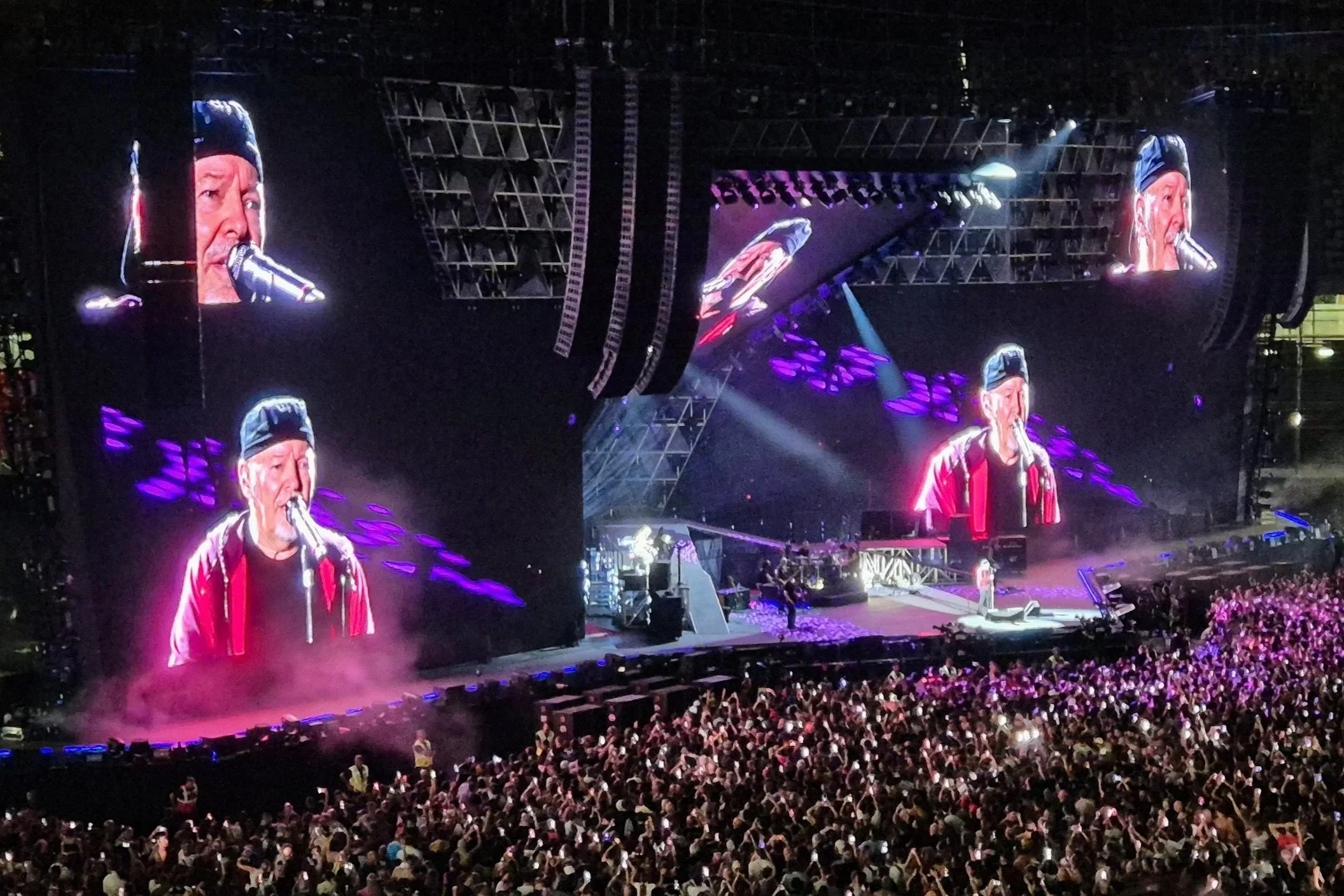
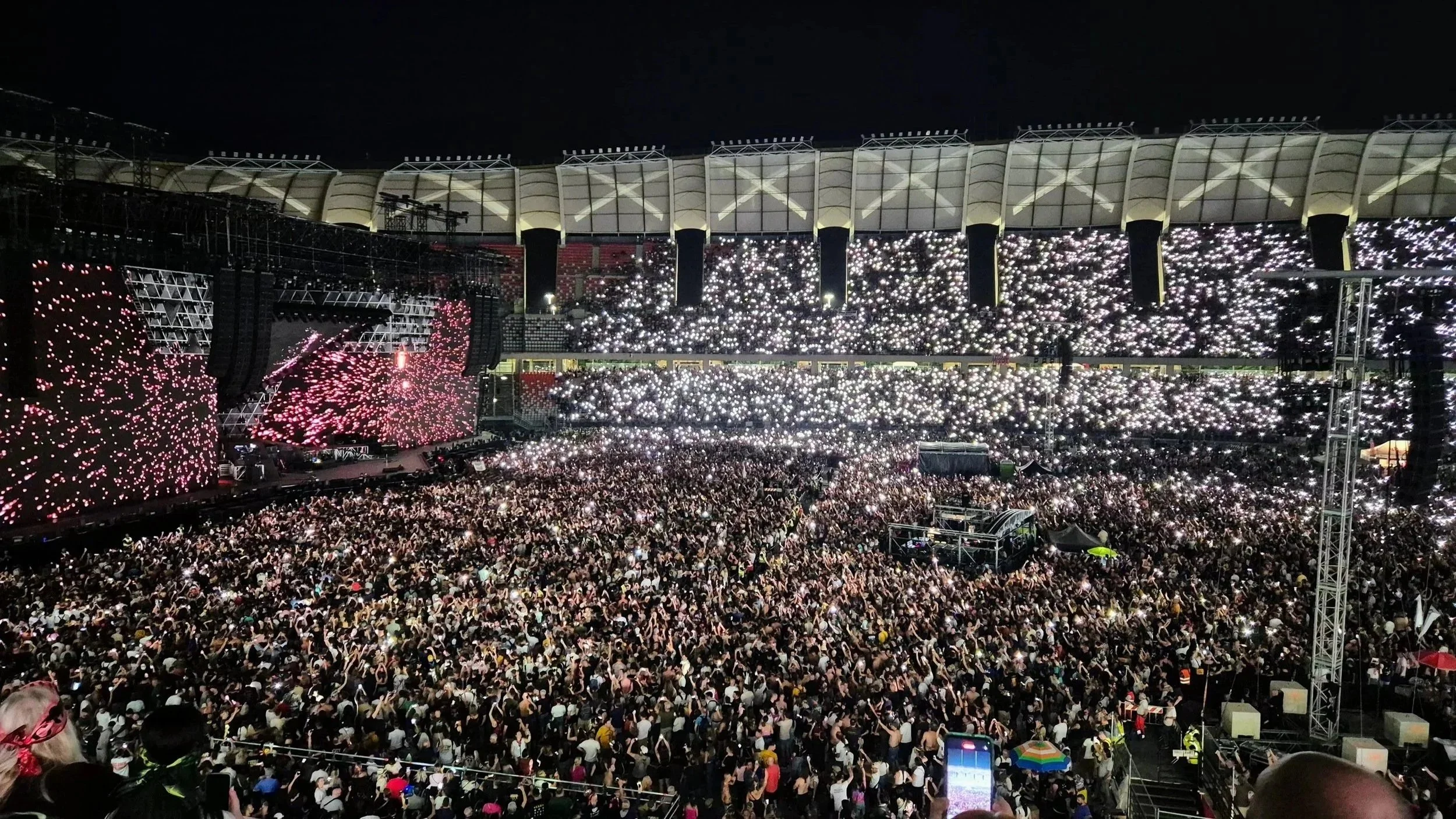
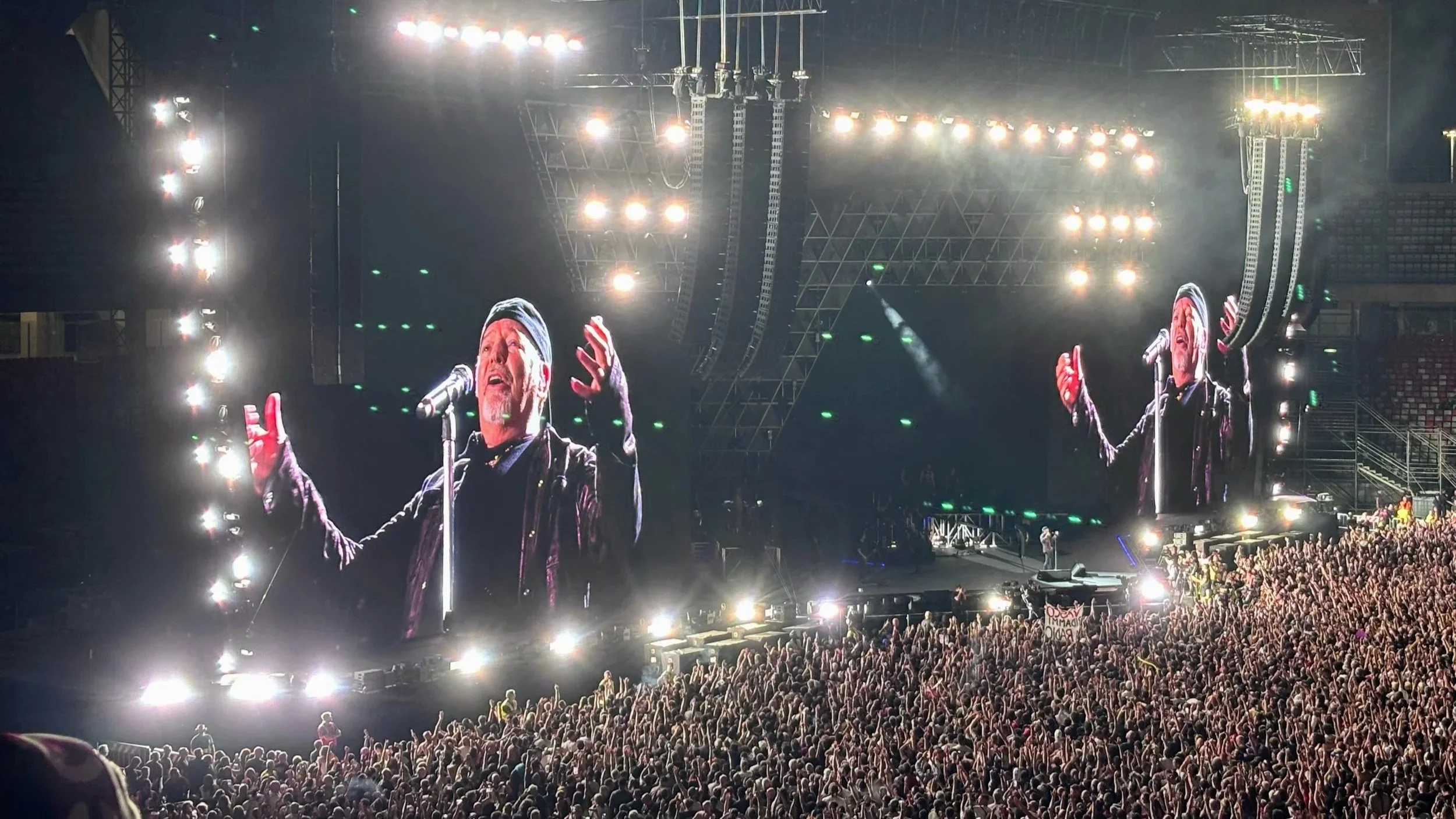
A crowd of 50,000 people is screaming and singing together, ecstatic and out of key, with thousands of arms and forefingers pointing up to the sky. The volume gets even louder, if possible, with the word sììììì, and my arm, too, makes a powerful movement to reinforce the message.
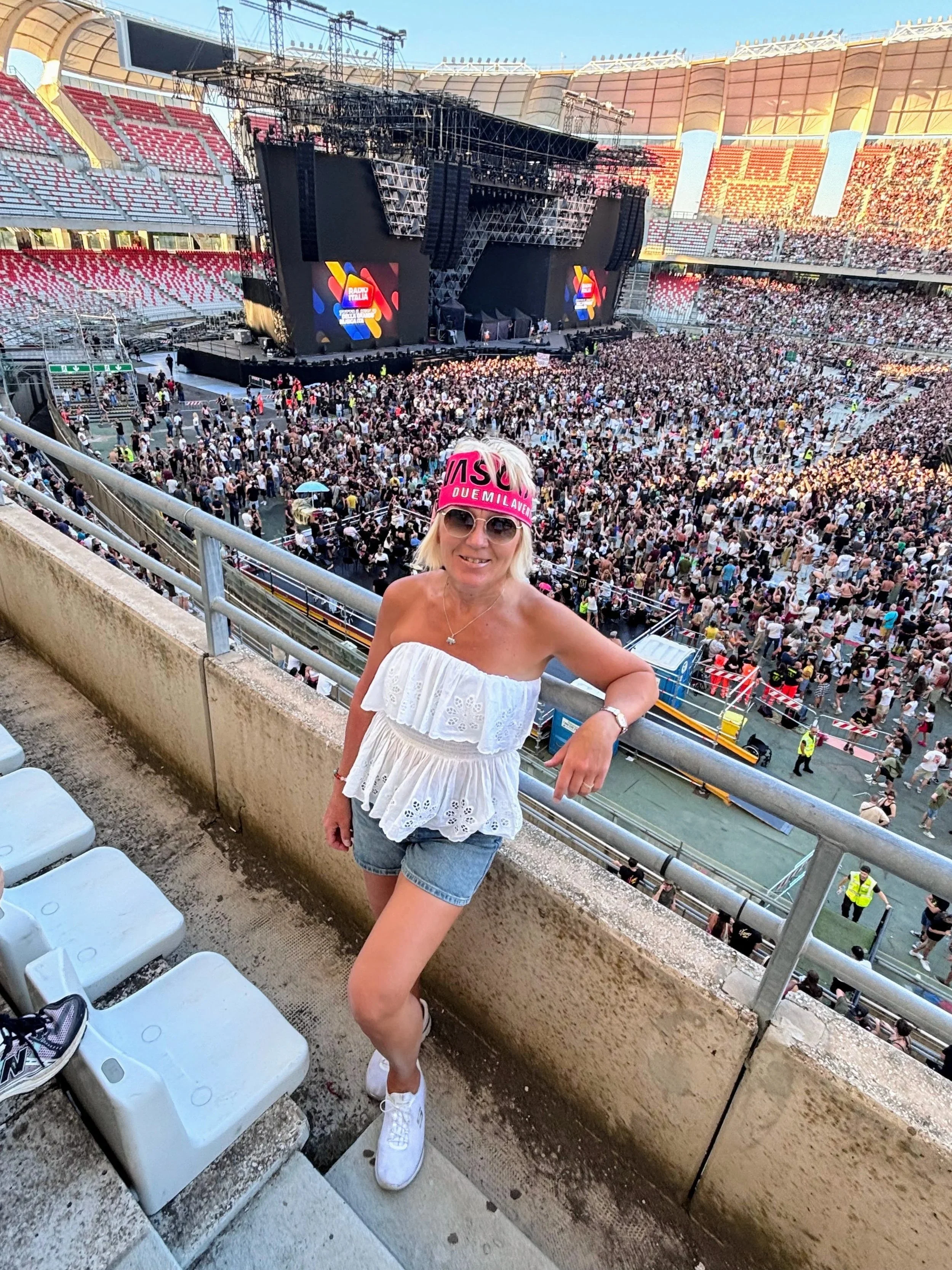
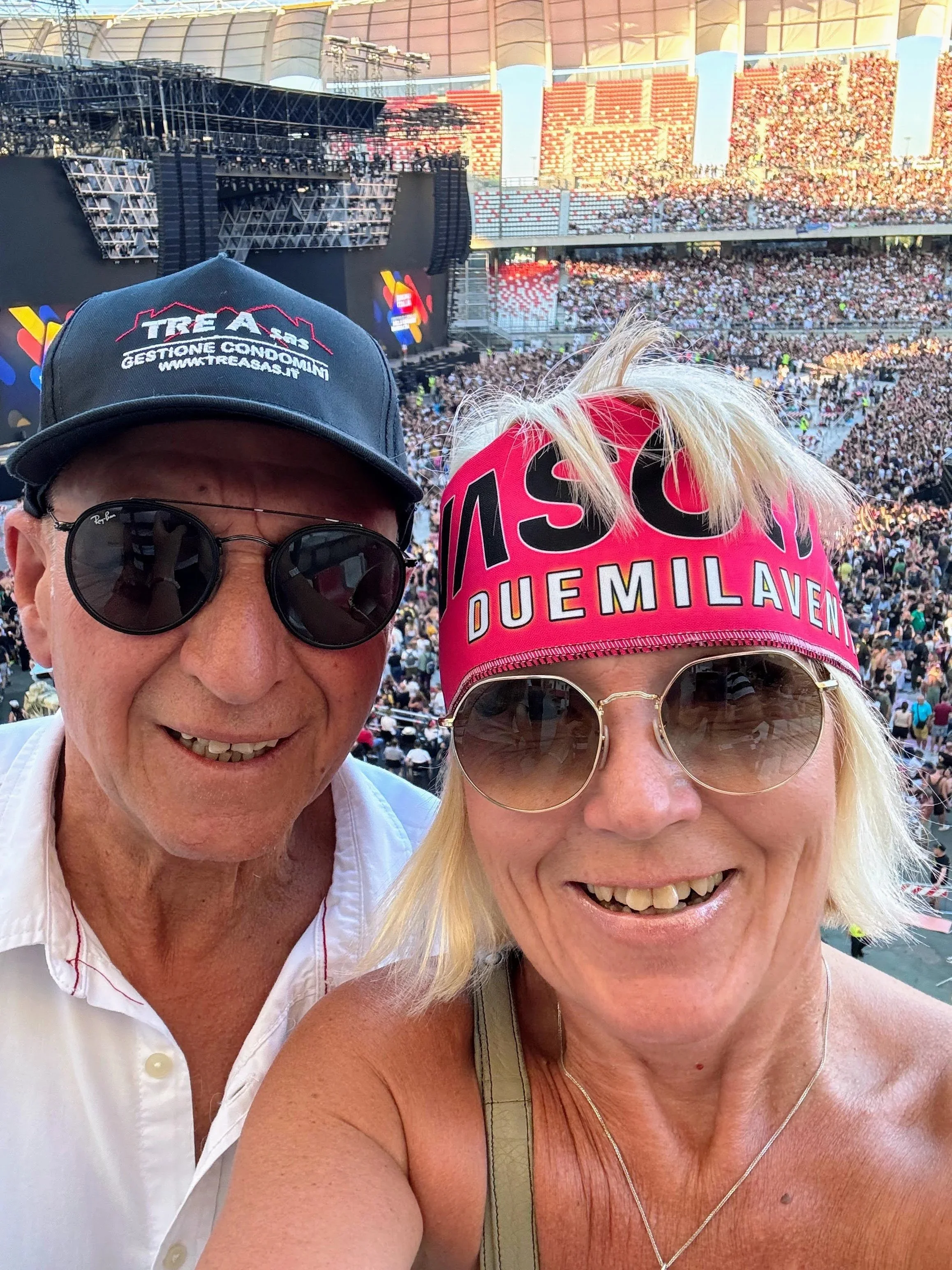
We’re at the concert of Italian rock icon Vasco Rossi at the San Nicola stadium in Bari. Tickets to these events are the most desired and sought after in this country. The 2026 live tour includes eleven concerts, and all of the 350,000 tickets were sold out in a few hours a year ago. I was strategic and lucky when buying ours. Essentially, it required being logged on the website and clicking on the “buy” button the very second the ticket sales opened.
Here’s another impressive fact about Vasco Rossi: in 2017, he broke the world record with over 225,000 tickets sold to one single concert. This Modena Park gig celebrated Vasco’s 40 years of musical career. That’s how big this guy is.
Back then, I didn’t understand why.
By 2017, I had only lived in Italy for a few years, and many things were new and exciting to me - or incomprehensible. I remember one moment, about twelve years ago, when we were driving somewhere. This song, Vita spericolata, started playing on the radio and Umberto’s eyes lit up. He began to sing with Vasco in an animated manner, living the lyrics on his skin, and I was bewildered. I just thought the singer was out of key.
And now, here I am, singing along with 50,000 other fans. I now know the lyrics by heart.
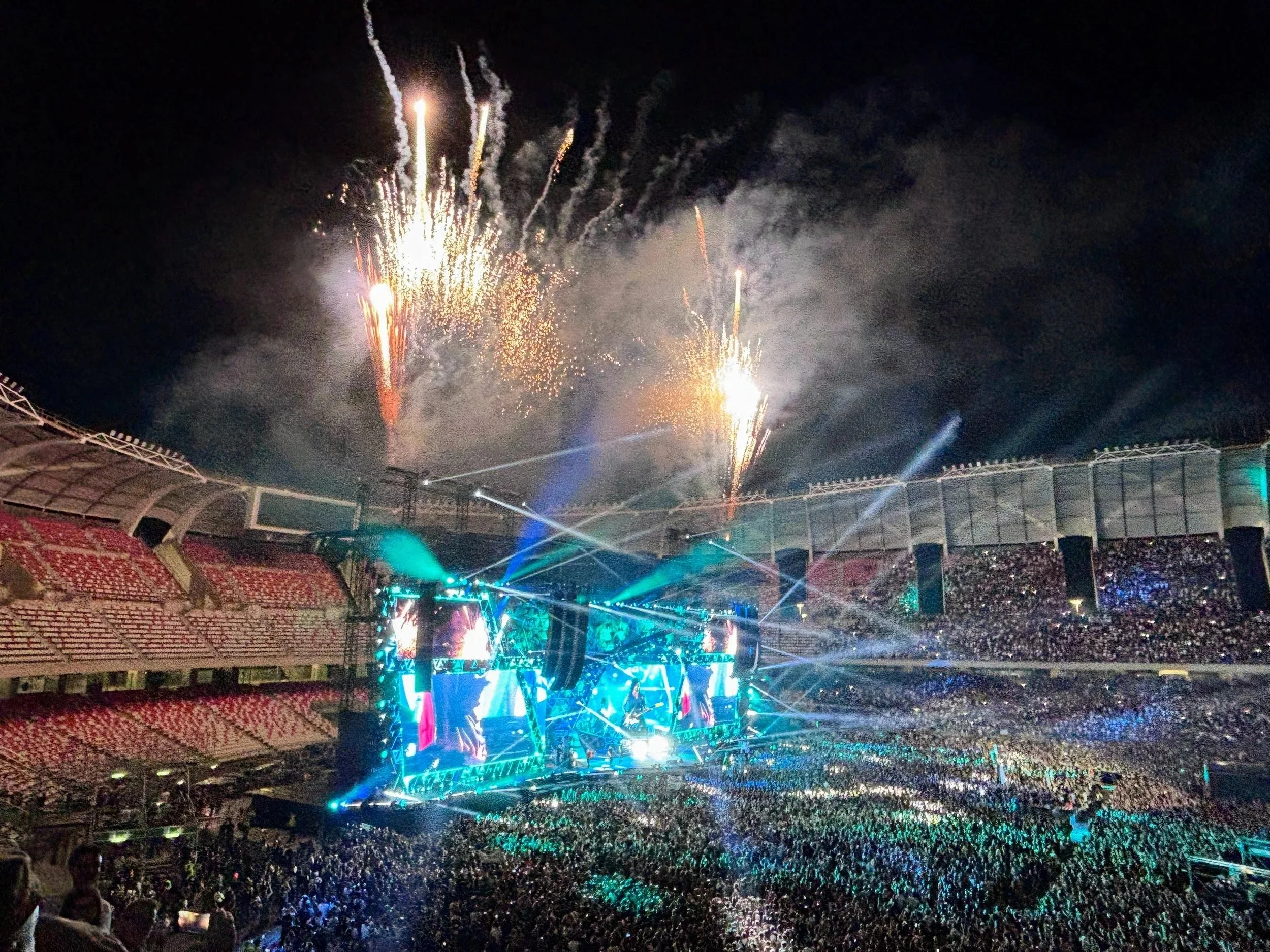
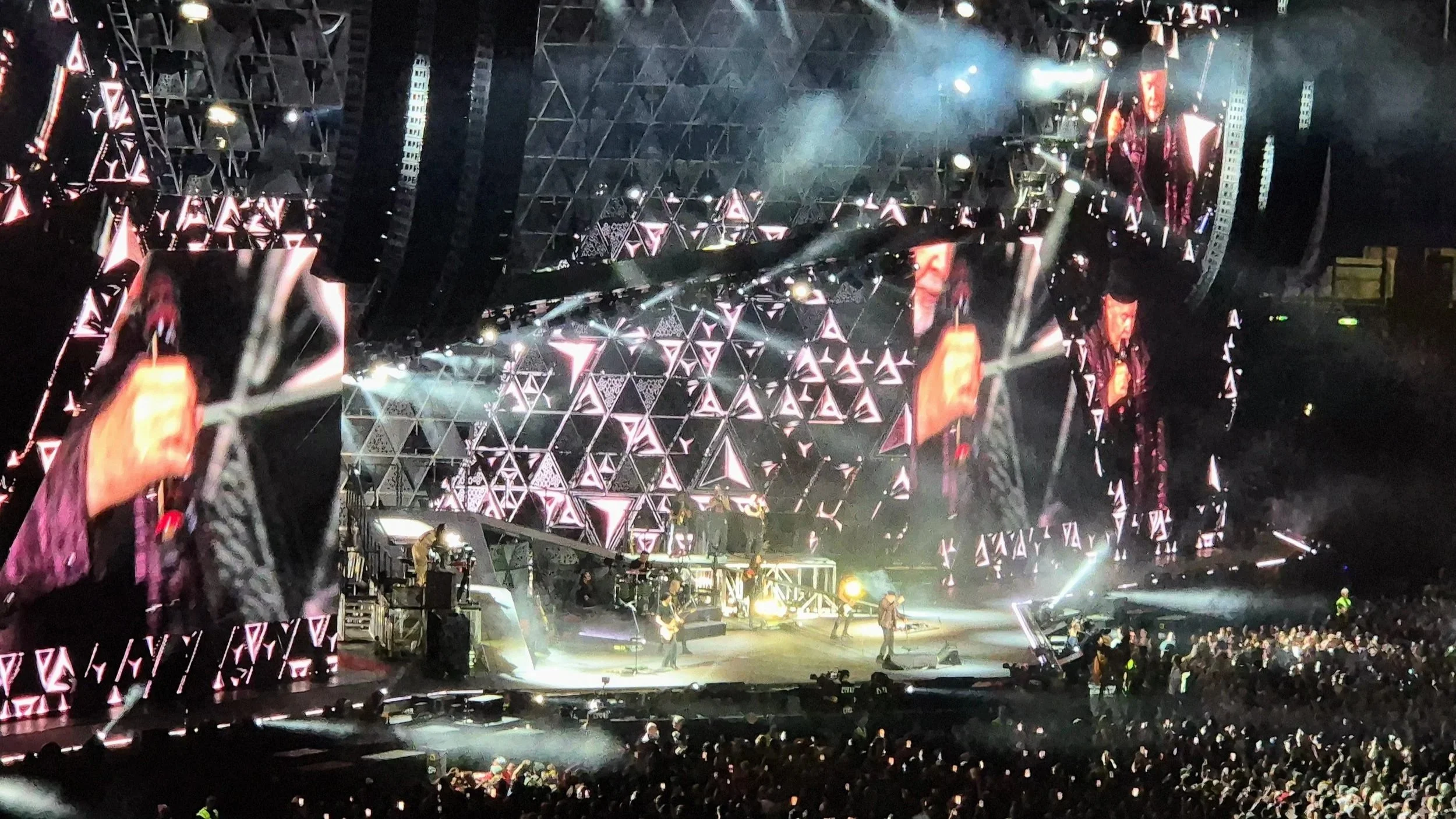
Entranced, I watch the fireworks that conclude the concert. Umberto, next to me, is over the moon. He had dreamt about this for so long. After the last bows by Vasco and the band, the masses stop whistling and screaming, and everybody starts pushing out of the stadium. I feel the squeeze of the crowd. It’s going to take quite a while so we need to be patient.
“What a night!” Umberto shouts at me, his face hidden behind the shoulders of a tall stranger between us.
“What a finale!” I shout back.
I do understand now.
The appeal of Vasco Rossi to ordinary Italians has got to do with much more than just rock music. It’s the rebel persona, the provocateur. It’s the relatable down-to-earth lyrics, it’s his wild and raw authenticity. And these spectacular stadium concerts. The phenomenon cannot be explained easily, you have to live it. And the songs, well, you can try and translate them, but even the best translations will be rough approximations.
Outside the stadium, it’s complete traffic chaos. We cannot find the buses that the city of Bari has provided for the concert-goers. The police don’t know where they leave from, nor do the security personnel. We get confusing and contrasting indications in four different directions. After several futile rounds back and forth, we decide to return to the hotel by foot. It’s an hour’s walk but at least we’ll be moving forward.
It’s past midnight and the city looks deserted, apart from a long line of cars driving quietly away from the stadium. All window shutters are closed tight and no light is leaking from the buildings we walk past. Streetlights are our only illumination, creating long-legged shadows of us on the pavement. We walk on without saying a word, in familiar silence. My ears are still ringing after the rock spectacle.
As very often happens, I get swept up by a stream of thoughts. First, I think about tonight’s extraordinary experience, then about what it would require to buy tickets for next year. Last, about how very funny it is I’ve changed my mind about Vasco.
“Here we go again,” I think inside my head.
“I’m once again living between cultures.”
I bought my place in Italy thirteen years ago, and met Umberto shortly thereafter. In the beginning, my Italian was so limited I had to keep checking words in the online dictionary all the time. There were many misunderstandings, some painfully awkward, some funny. It was not the first time I changed countries, so I expected the transition to be easy, no big deal. I was wrong. The culture shock was massive, and the first years were difficult.
Looking back on it now, the only thing that helped me pull through was Umberto’s love. Without it, I would have given up and packed my bags. I didn’t want to lose him so I stayed and toughened up. Then, gradually, without us even realizing, I started becoming Italianized.
I began to talk enthusiastically about food, planning the next meal before finishing the one we’re eating now. I learned to speak the language and read facial expressions. I started to speak louder, use hand gestures and shout “mamma mia!” and some not-so-nice expletives. I learned the art of jumping the line when necessary, otherwise I would never be served. I became more patient about trivial things that take a little eternity to resolve. I began to shrug at things that don’t work at all. And I began to appreciate Vasco Rossi.
All that’s lovely, but there’s still so much I cannot know and understand, and never will. Why? For the simple reason that I did not grow up here. I didn’t live through the same experiences, the same history as Italians did, because I spent the first four decades of my life elsewhere. Over these last thirteen years, yes, I have opened the door to this culture and one foot is firmly in. But the other one remains standing outside, and the rest of me is in between.
That’s not all. I’ve started to feel the same way in my native country, too.
Partly outsider in my home country
I was born in Finland and had a pretty traditional Nordic upbringing. After high school, the story changed. I do the math in my head, calculating that the grown-up me has lived more years out of Finland than in.
When I go to Finland now, I feel nostalgic, especially when I walk around the center of Helsinki. It’s an amazing city. And there are so many memories, on almost every street corner. My old neighborhood gets me all emotional. So do certain sounds, smells, the light summer nights, even the darkness of November.
But, there’s always a but.
I love the country but I don’t fully understand what’s happening and how things work these days. I love the language but I don’t have all the current Finnish vernacular. My nephews giggle and tell me I speak like an old person. Sometimes, I don’t have a clue of what or who my friends are talking about. Sometimes I ask dumb questions. I‘ve begun to forget the dates of national holidays, and many traditions have lost their meaning to me.
Finland is a very dynamic country and has changed a lot, fast. So have I. As much as I love everything, there’s no denying the truth: I have become partly an outsider. One foot is still in, but the other has stepped out years ago. I am between cultures.
That sensation in unsettling in the beginning. It makes you feel isolated, weird and lonely. Luckily, during my travels, I’ve met many other vagabond creatures and we have talked about this. Sharing has helped me understand that I’m not the only one and feel less alien. Listening to others has helped me see it all from a different perspective.
I have chosen to see the beauty of being an outsider.
Living in different countries and cultures expands your mind and opens you up to see the world from different points of view. You realize that very few things in life are simply black or white. You begin to see a whole spectrum of different colors.
Learning the new country’s language is necessary for full cultural immersion. The learning process is challenging and tiring initially but extremely rewarding over time. Once you master the new language, you’re able to understand other people at a deeper level and express yourself fully. You feel more confident as you gain the competence to handle different situations. You have one more powerful tool in your kit.
Living in different cultures makes you more adaptable and flexible, which is an incredible strength in a fast-changing world. You get better at problem solving, while realizing that often, what you thought was a problem, actually isn’t one at all. You learn to take many things, including yourself, less seriously.
Living between cultures gives you a fascinating perspective to make observations as an outsider. You can see blind spots, taboos and unwritten rules that people deep inside the culture don’t perceive. This also applies to your own original culture. You’ll open your eyes to things that you may have been blind to in the past. Then, you can make your own choices, what you believe and what you don’t, what’s right and what’s not.
My passport is not my identity.
We easily stereotype people based on where they’re from. That’s not smart. Human beings are much more complex and interesting than that. Everybody who has been around the block, so to say, has several layers that you can peel and find something different underneath.
I am not my nationality. My passport is not my identity.
Who I am is a fusion of the experiences I’ve had, the countries and cultures I’ve lived in. There still is a pragmatic Finnish country girl deep inside of me. Then, there’s the British lass who loves sarcastic humor. The French culinarist. The American businesswoman. And now, on top of everything, the Italian signora - ex-hotelier - beach bum … who now goes to Vasco Rossi gigs.
“How much more to go now?” Umberto asks me impatiently, interrupting my thoughts.
“We’re almost there, a few more minutes and we’ll be at the hotel,” I encourage him to keep walking. It’s almost 1:30 am and we’re both getting tired.
“What are you thinking about?” Umberto inquires with a mischievous look on his face. “You’re dangerous when you’re that quiet!”
“You really want to know?” I stop on the pavement and look in his bright blue eyes. This very moment, there’s only one way to answer. My voice is almost gone - che me ne frega! - I sing.
“Voglio una vita maleducata
Di quelle vite fatte, fatte così
Voglio una vita che se ne frega
Che se ne frega di tutto, sì
Voglio una vita che non è mai tardi
Di quelle che non dormono mai
Voglio una vita di quelle che non si sa mai”
*****
Vasco Rossi official music video: Vita spericolata
“Vita spericolata” song lyrics, original and English translation
Vasco Rossi official website & fan club
My Bari Favorites
Bari is a fun, vibrant city, one of my favorites in Italy, about 240km to the south from where we live.
Here are my three favorite hotels:
Grande Albergo delle Nazioni. Fantastic location at the seafront, I love going for a morning run with a sea view. The breakfast room / restaurant on the top floor has a beautiful panoramic view across the city and the sea. This hotel can be pretty pricey, depending on the season, so it’s good to have options.
Villa Romanazzi Carducci. The location is slightly less beautiful but still within an easy walk from the central station. This hotel has a pretty good gym in the basement.
Nicolaus Hotel. A bit outside the city center but easy to arrive and park if you’re driving. The breakfast is excellent, and the hotel features wellness services, a pools and a gym.
And three favorite restaurants:
La Battigia. Amazing fish and seafood! Central location almost on the seafront and a quick walk from the pedestrian shopping streets.
La Tana del Polpo. Small fish & seafood restaurant with super-tasty food and a lot of character! Always packed in the evenings.
Le Terrazze del Santa Lucia. Outside the city center, near the Fiera, so you need to drive or take a taxi. Excellent seafood, professional service and sea view.