Thinking about Change - Cartagena
Cartagena de Indias, Colombia
This is #5 of a series written during a six-week trip to Colombia. You can find #1 here.
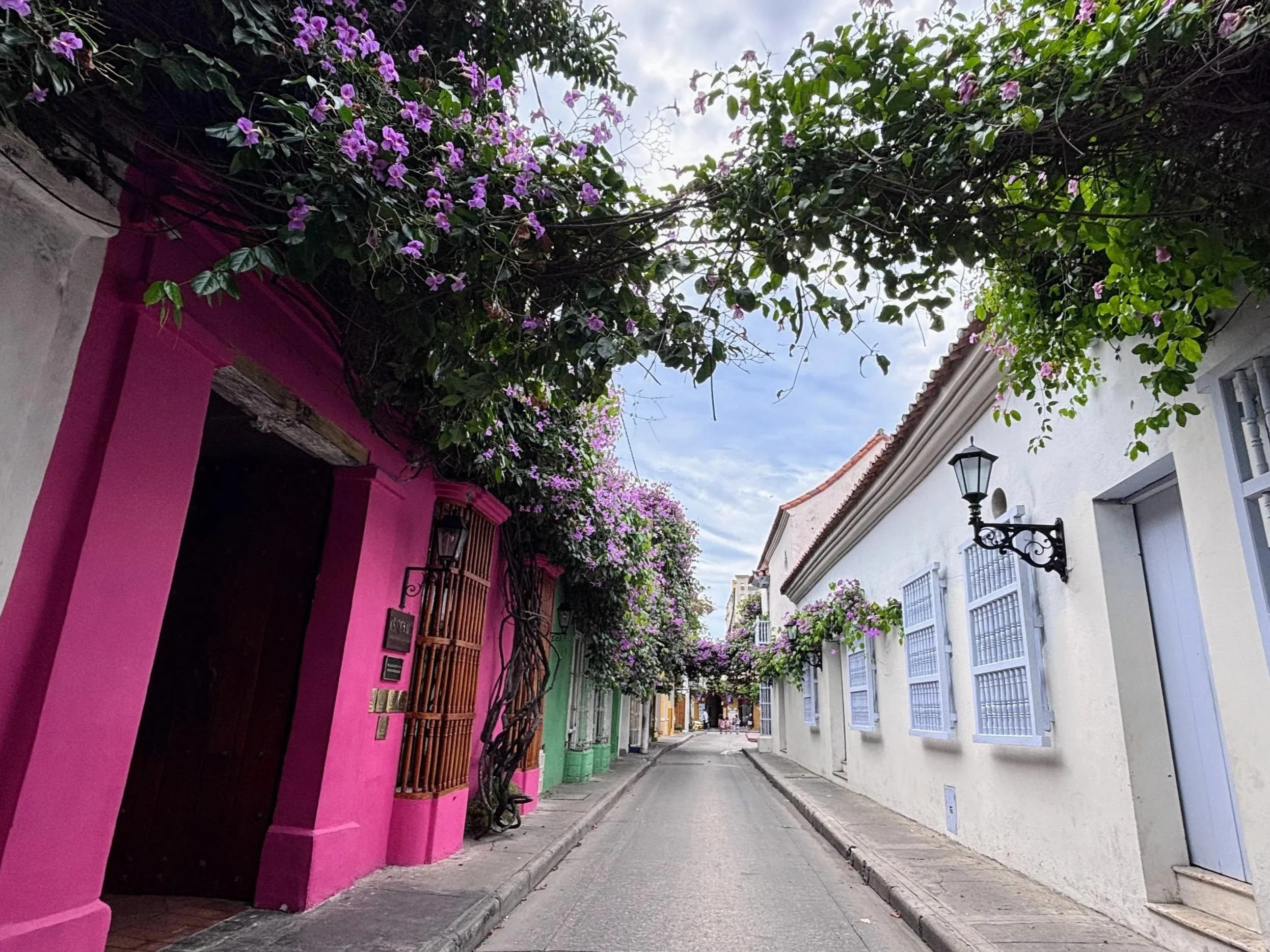
It’s Sunday morning. I woke up at the usual hour, even if it’s not a school day. While brushing my teeth, it occurred to me that I’ve been in Colombia for a month already. I’m loving it even more as time goes by!
This has been another fabulous week. Fabulous, intense and hyperactive, to be precise. My days are packed with activity and time keeps flying by at supersonic speed.
I get up around 6am, go to the gym, shower and get ready for school. Then attend four hours of Spanish school in a small group, followed by lunch. Then attend two hours of individual Spanish conversation. Then participate in optional fun program at school or, alternatively, take outside excursions. Then take another shower (which is not optional in this extremely hot and humid tropical climate) and do my homework. Later in the evening, explore a new restaurant for dinner. Go to bed. Repeat.
I haven’t stopped for a minute all week, except to sleep, just like in the previous weeks. But the strange thing is, I’m not feeling tired. On the contrary, I feel a sparkling positive energy inside, curiosity and inspiration, my head is buzzing with new ideas. I don’t remember ever being this motivated about learning something. And I need a lot less sleep than usual. What is happening to me?
Something is changing. Something has already changed.
Over the last year, I’ve been thinking a lot about the concept of change. Changes in our lives, personas, bodies and relationships.
Sometimes, change is slow and gradual and we don’t notice it until it’s already happened. For example, your eye sight. You keep living on happily, until one day, around 43 years of age on an average, you can no longer read small print and need reading glasses. All of a sudden, with the brand new reading glasses on your nose, you feel many years older.
Other times, change is fast and powerful, so radical that you get aware of it while it’s happening.
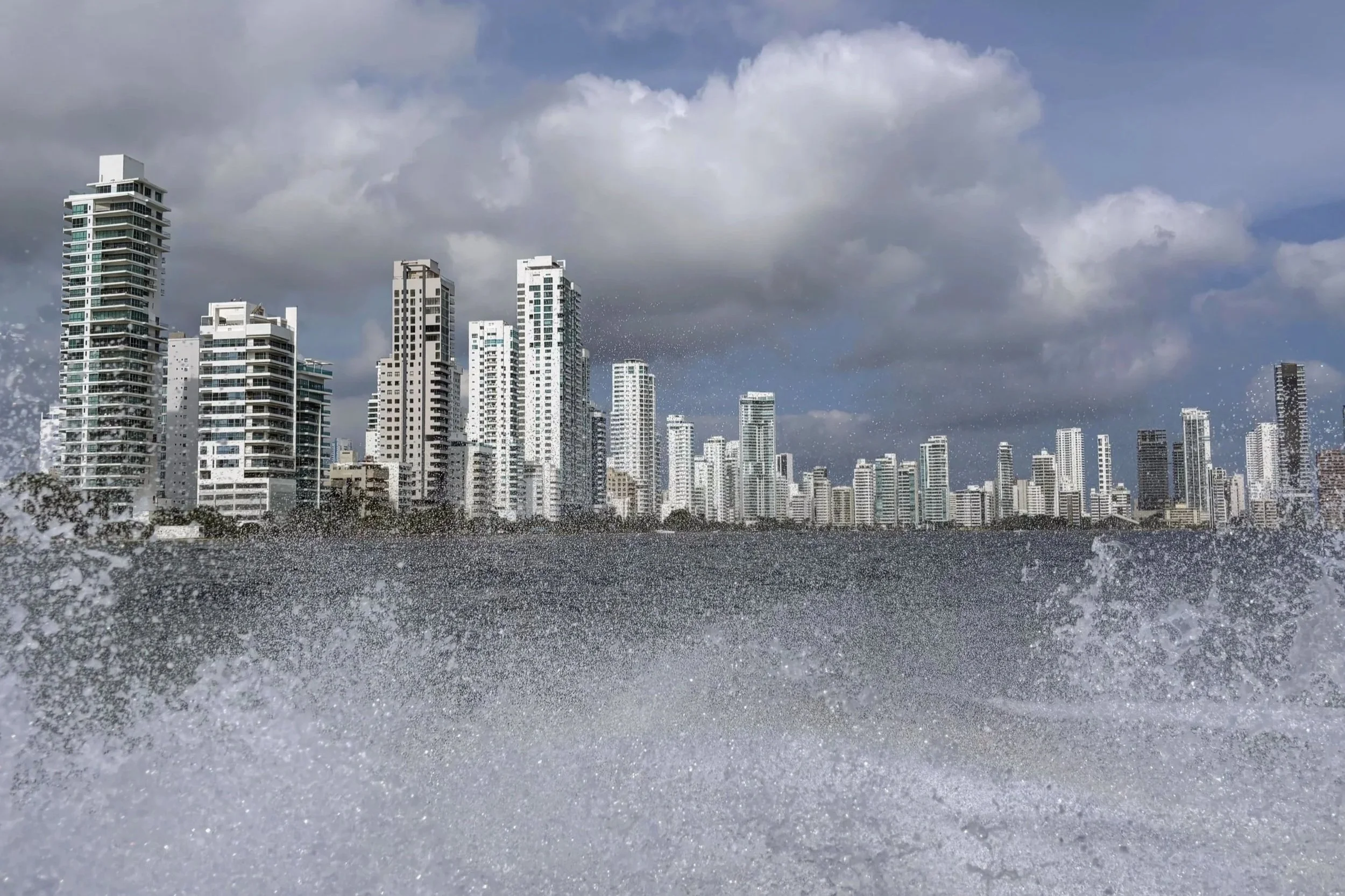
I began to think about this yesterday as I was sitting on a speed boat, during an excursion to the Rosario Islands***. The boat made a loud roaring sound, it rocked on the waves and water formed arches of splashes on both sides. As we made our way out of the harbor, it looked as if the high-rise buildings of Bocagrande, Cartagena’s Miami-style neighborhood, were shaking. That’s how change can sometimes make you feel, like riding a speedboat.
My framework of change, created on a Caribbean beach
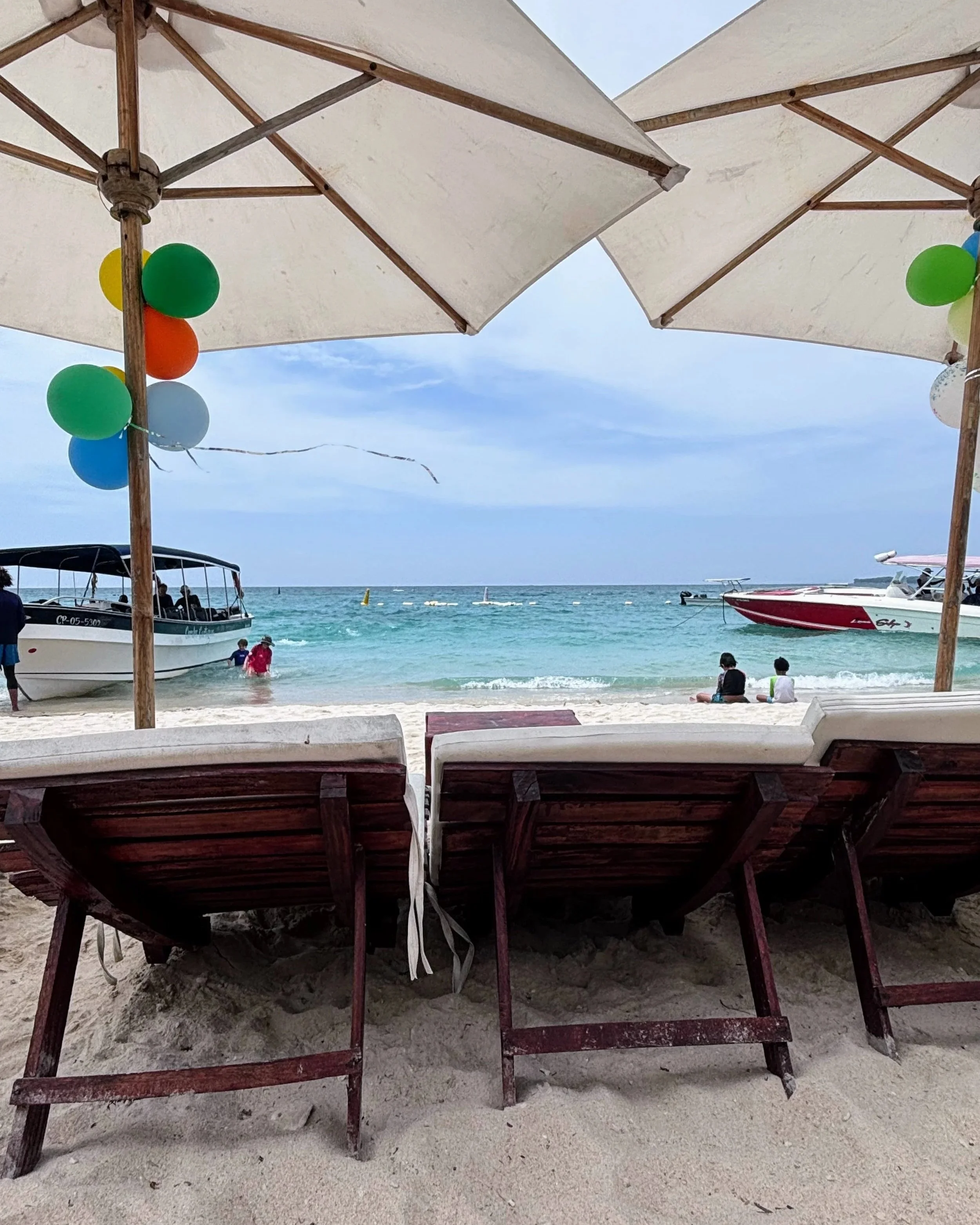
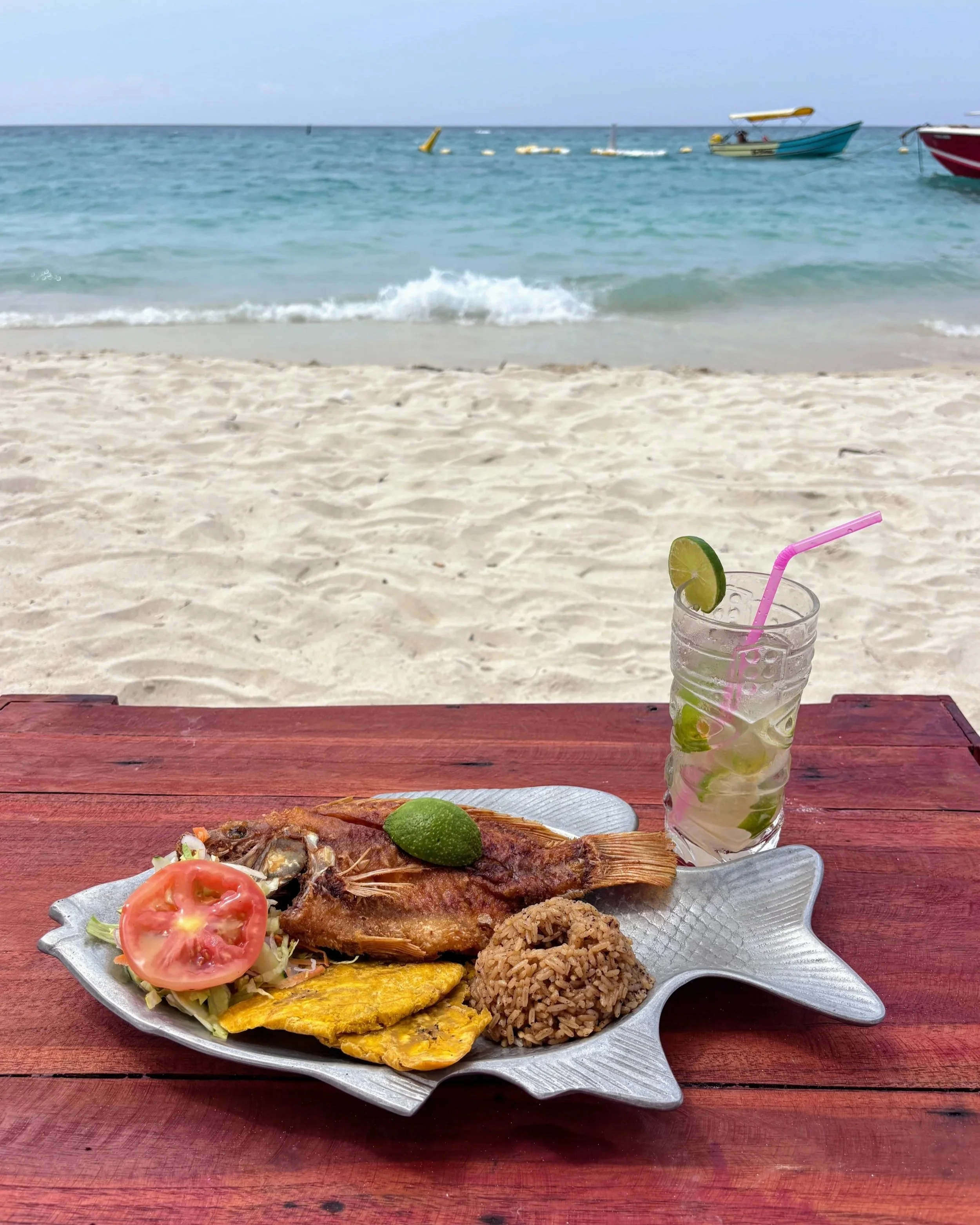
Later in the afternoon, over a blissful beach lunch, I grabbed a pen and paper - which I always carry in my handbag, just in case inspiration hits. I wanted to clarify my thinking and writing it down tends to help. I started by drawing a grid. First, the vertical axis indicating the speed of change, from slow to fast. Second, the horizontal axis delineating awareness of change, a binary no or yes.
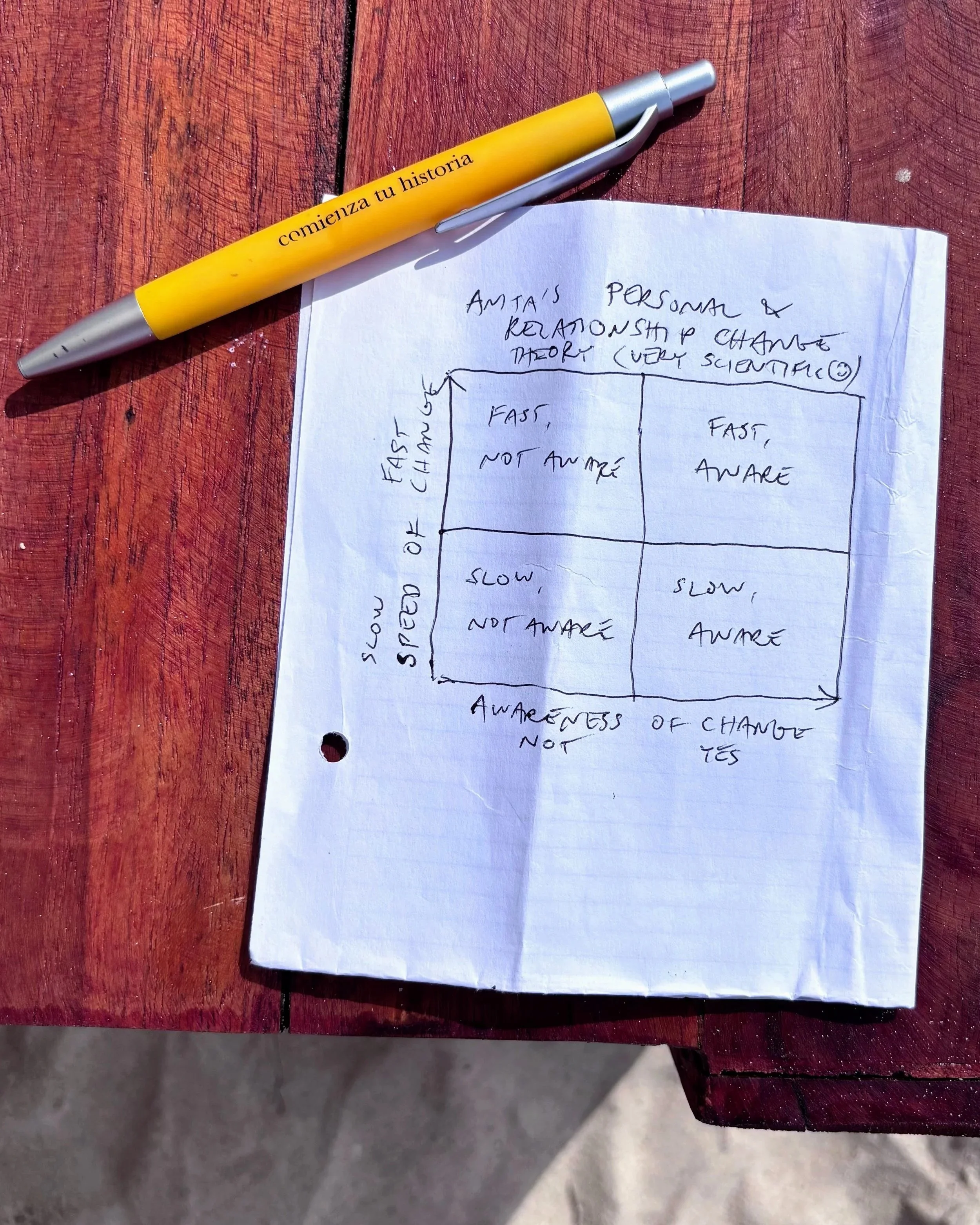
The lower left hand corner is just like the eyesight example: change happens slowly and you’re not aware of it until it’s already a reality. This corner is a potential danger zone, simply because we humans are not good at perceiving marginal changes. Our perception wakes up only when the small incremental changes have cumulated a critical mass.
Just as we don’t notice minute day-to-day deterioration in our eye sight, or aging overall, we are not capable of detecting slight erosion in human relationships, either. Prioritizing work over your partner and skipping dinner on one night or two will probably not cause a breakup. But do it for months on end you might find them packing their bags.
Happily, the same logic applies to positive changes. If you are a parent, you keep reminding, ordering, begging and nagging at your children about manners and homework and cleaning their rooms, day after day and month after month. Then one day, after many years, you wake up to the reality that they have grown into fine young people. None of the individual days did the job. It was the consistent work, the tiny little marginal increments that made the big positive change happen.
The upper left hand corner features fast change without awareness. This makes me think of times when I lived in extremely toxic circumstances, professionally or in my personal life. I may have felt some acute suffering, but I was oblivious to what extent the stress (or the toxic relationship) was damaging my physical and mental health. Until one day, one last straw broke the camel’s back.
Or, to think of another common example, falling in love could be in this corner. When we are head over heels for somebody, we may quickly change our habits, interests, opinions, looks, friendships, and sometimes even where we live. Our old friends will see the radical changes while we may not be aware at all. It may take a very long time for us to see things without the rose-colored glasses.
The lower right hand corner features slow changes with awareness. This could be studying for a diploma, implementing a career plan. Or learning a new skill, such as a language. Many therapy methods would also fit in this category, encouraging you to consciously change the way you think, behave and feel in problematic situations.
For me, this corner is also where a happy long-term relationship / marriage is created. An infinite series of small but conscious decisions and choices that you make, because you want your partner to be well and happy. Over time, those marginal steps create a bond that’s stronger than anything you could ever imagine.
Finally, the upper right hand corner. The speed boat. The fast change that you feel and observe while it is happening. My past year and a half, since selling the hotel, has been like this. Massive changes in my professional life, social circles, daily habits, beliefs, interests, behaviors - and skills.

The framework was about to get complicated …
I dug my feet into the white coral sand, rough to the skin, and stopped to think about what I just scribbled.
Why do we find ourselves in one corner rather than one of the other three? Does it make a difference if the driving force of the change is inside of you or if it’s an external factor? Does it make a difference if you choose to change or if change imposed on you? How about when change is a genetic process, just the way that nature works?
And how about the permanence of change? Some changes are permanent and irreversible, while others are temporary and modifiable. And many vacillate, depending on our circumstances. For example, is my Colombian-style cheerfulness a permanent or temporary change? Will I be able to keep up the Colombian-style sunny smiles and cheerful behavior under grey European winter skies? Time will tell. I’m pretty sure that over the long run, I will need to go back to sleeping longer hours. And have days and weeks with nothing planned and booked in advance.
Root causes, driving forces, (im)permanence … my head started to spin. Adding another dimension to the grid would make it a cube. And two more dimensions? My computational skills are not advanced enough to go that far.
… so I went back to basics.
The tour guide interrupted my train of thoughts. It was time to pay the bill and leave the coral reef paradise. I folded the paper away in my handbag and packed up the beach gear.
The afternoon winds here tend to be stronger, so the speedboat ride was even bumpier than in the morning. The guide called it a rollercoaster for those sitting in the first rows and an aquatic park for the guests at the back of the boat.
As salty water splashes tickled my cheeks, I concluded my theory.
Change is mysterious, we don’t fully understand it. Often, we’d like to change but cannot find the energy, courage, knowledge or skills. Equally often, change happens without us taking a proactive part in the process. It just happens. And sometimes, if we’re very lucky, change brings something magical into our lives.
I’m no scientist. I have more question marks than answers. Even so, there is one thing that I do know for certain: change will happen. Whether we want it or not, whether we like it or not. In all of this uncertainty, there is a way to react that makes you happier.
Stop resisting and enjoy the ride.
*** The Rosario Islands (Las Islas del Rosario) form an archipelago off the coast of Colombia, a 45-minute speed boat ride from Cartagena. It is one of the most important coral reefs of the Colombian coast and therefore holds the protective status of a National Natural Park.
Sending you very sweaty and cheerful regards from Cartagena! More next week…